

The heating, ventilation, and air conditioning (HVAC) system in a commercial center is not only the “lungs” of the building that ensure customer comfort but also a major contributor to the building's energy consumption.
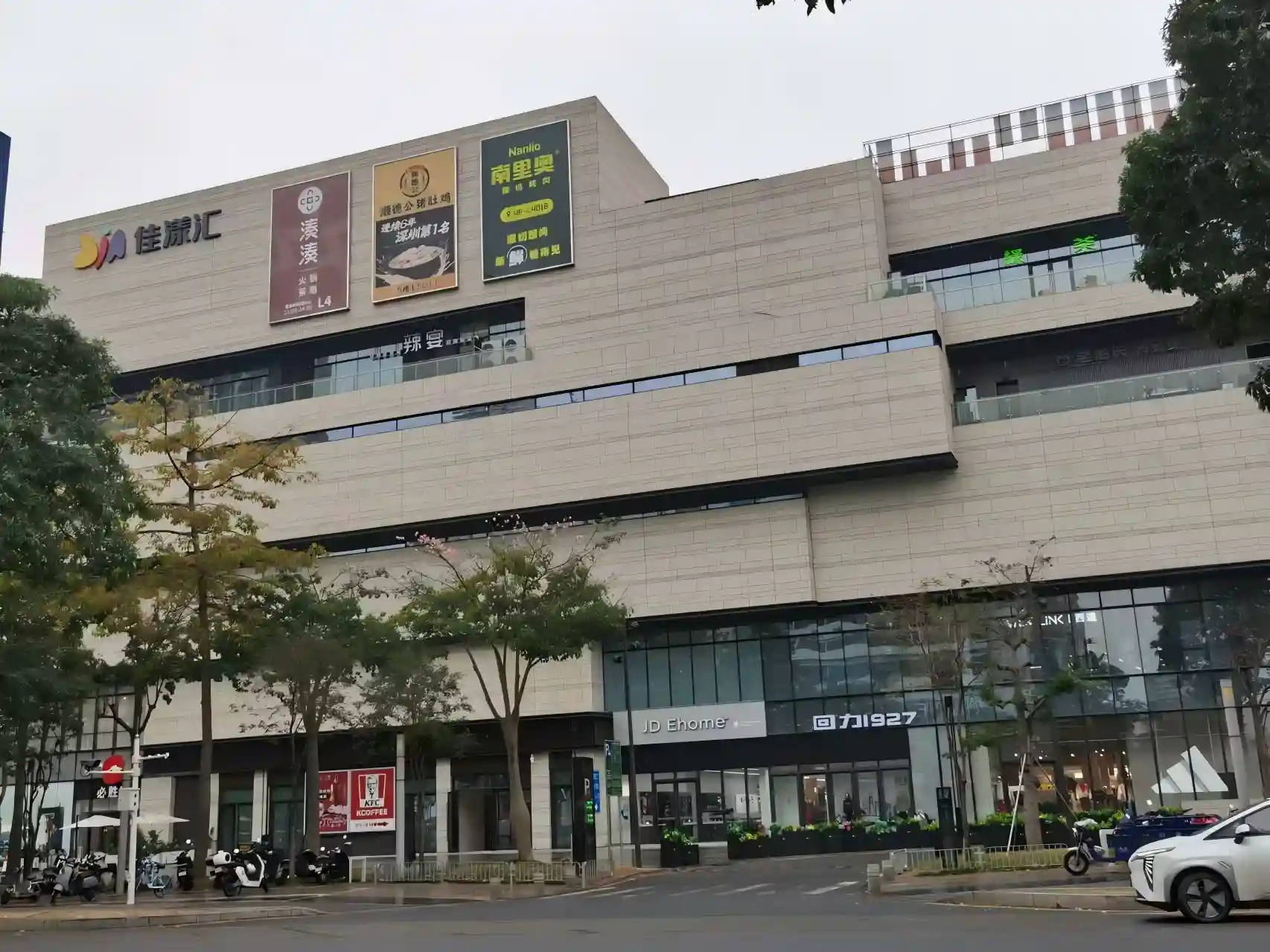
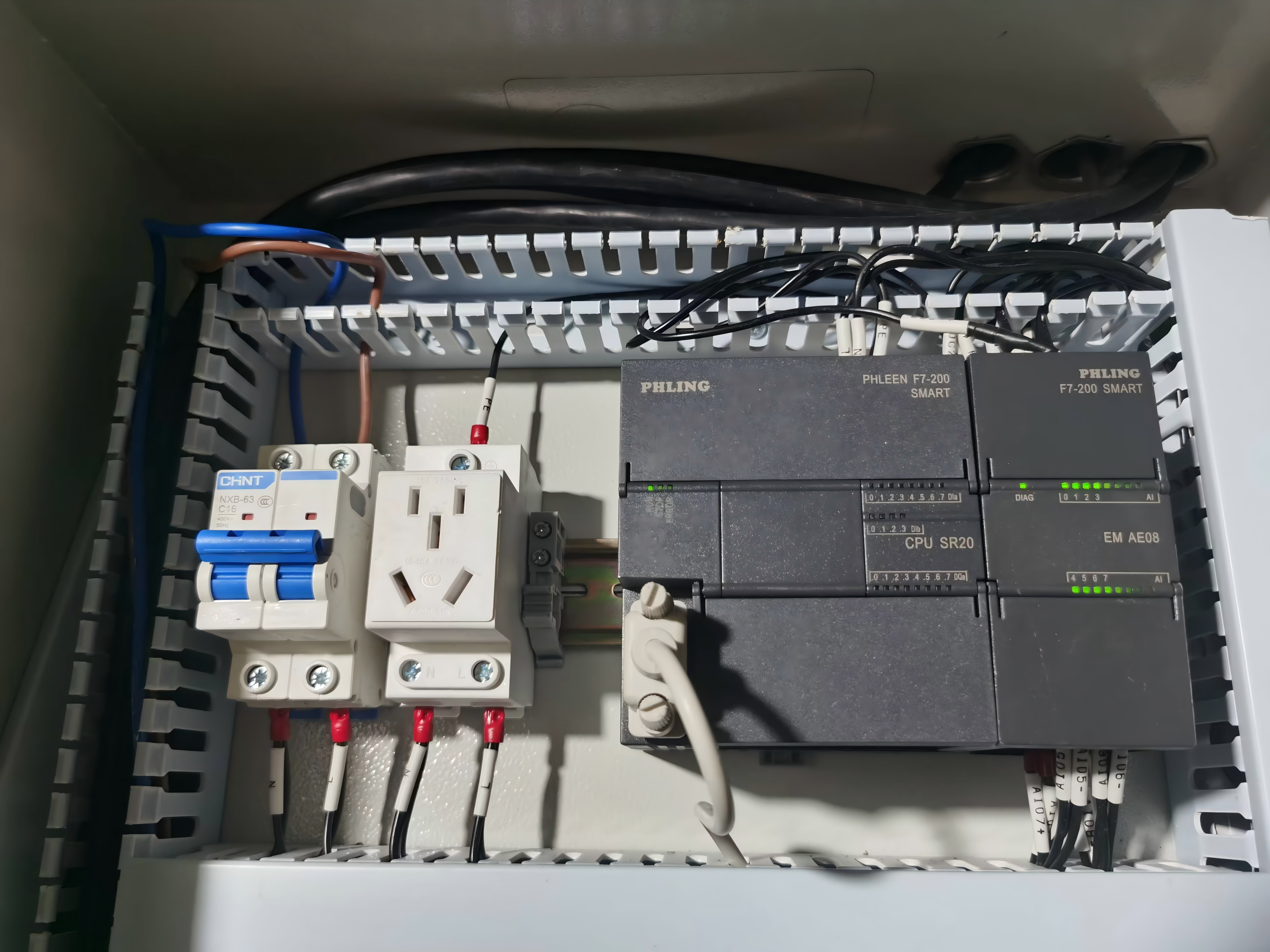
Balancing precise HVAC control with energy efficiency is critical for modern commercial complexes. To optimize its central air conditioning and fresh air systems—specifically for environmental data collection and the coordinated control of fans and dampers—a shopping mall selected the PHLEEN F7-200 SMART CPU (SR20) paired with the AE08 analog input module to build the basic units of its HVAC automation system. Each floor is divided into 28 HVAC control zones, and each zone is equipped with one basic unit (one SR20 CPU plus one AE08 module). With six floors in total, the complete HVAC data acquisition and logic control system comprises 168 such units.
In this project, PHLEEN F7-200 SMART used to build the tunnel Area Control Units (ACUs). A single control system integrates functions such as tunnel gas concentration detection and automatic fan ventilation control, lane indicator control, water level detection and automatic drainage control, fire detection and automatic fire suppression linkage, and traffic flow detection. The system has been successfully commissioned and put into operation.The entire tunnel is 3.8 kilometers long and consists of 24 interconnected control cabinets, enabling real-time monitoring and control of the tunnel’s status.
| Product Name | Model | Specifications | Function |
| Programma Logic Controller | F7 288-1SR20-0AA0 | 220 VAC power supply, 12 inputs/8 relay outputs | Responsible for logic control of air conditioning, fans, air dampers, and relay outputs, as well as alarm interlocks |
| Digital I/O Expansion Module | F7 288-3AE08-0AA0 | Analog Input Module, 8 AI × 16-bit | Used to connect 4–20 mA/0–10 V analog signals from temperature and humidity sensors, CO₂ concentration sensors, PM2.5 sensors, air pressure sensors, differential pressure sensors, etc |
Note: A “basic unit” here refers to one PLC plus one analog expansion module serving one HVAC control zone, not a standalone control cabinet.
Application Scenario: Large-Scale Commercial Complex
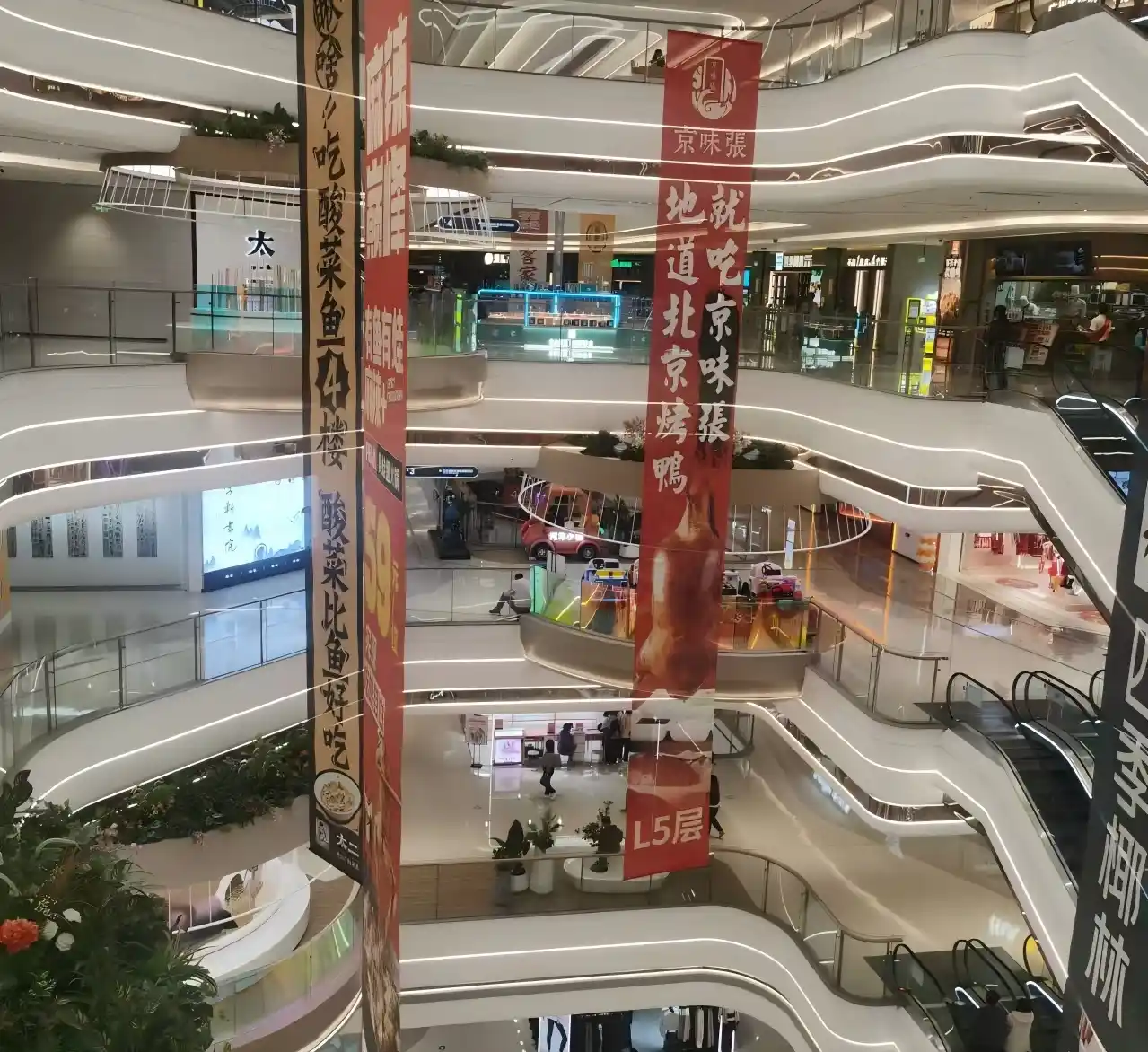
As seen in the panoramic view of the site, this shopping mall is massive, featuring an extremely high-ceilinged atrium, numerous floors, and a complex mix of retail formats.This open, multi-level architectural structure places extremely high demands on the HVAC system's temperature and humidity control, fresh air ventilation, and energy consumption management.
1.TUneven heating and cooling at the terminals.
Due to the mall's complex multi-level layout and uneven distribution of foot traffic, traditional systems lack global coordination, resulting in some areas being too hot while others too cold.
2. Numerous distributed devices and cumbersome communication debugging.
Heat exchange stations typically integrate a large number of third-party Modbus slave devices, such as smart electricity meters, multifunctional water meters, variable-frequency drives, and temperature and humidity transmitters. Traditional PLCs often require the writing of cumbersome polling programs and complex communication debugging code to handle Modbus multi-slave communication, consuming a significant amount of engineering and debugging time.
3. Difficulties with clock synchronization
Due to the lack of a unified time synchronization mechanism, timestamps in the operation logs and historical data of various control substations are inconsistent, posing significant challenges for subsequent energy consumption analysis and fault tracing.
In shopping mall HVAC automation systems, PLCs not only handle equipment start/stop and logic control tasks but also process a large volume of field sensor signals and communication data between different devices.
This project utilizes the PHLEEN F7-200 SMART SR20 CPU and the EM AE08 analog input module to achieve field analog signal acquisition and equipment automation control through modular configuration.
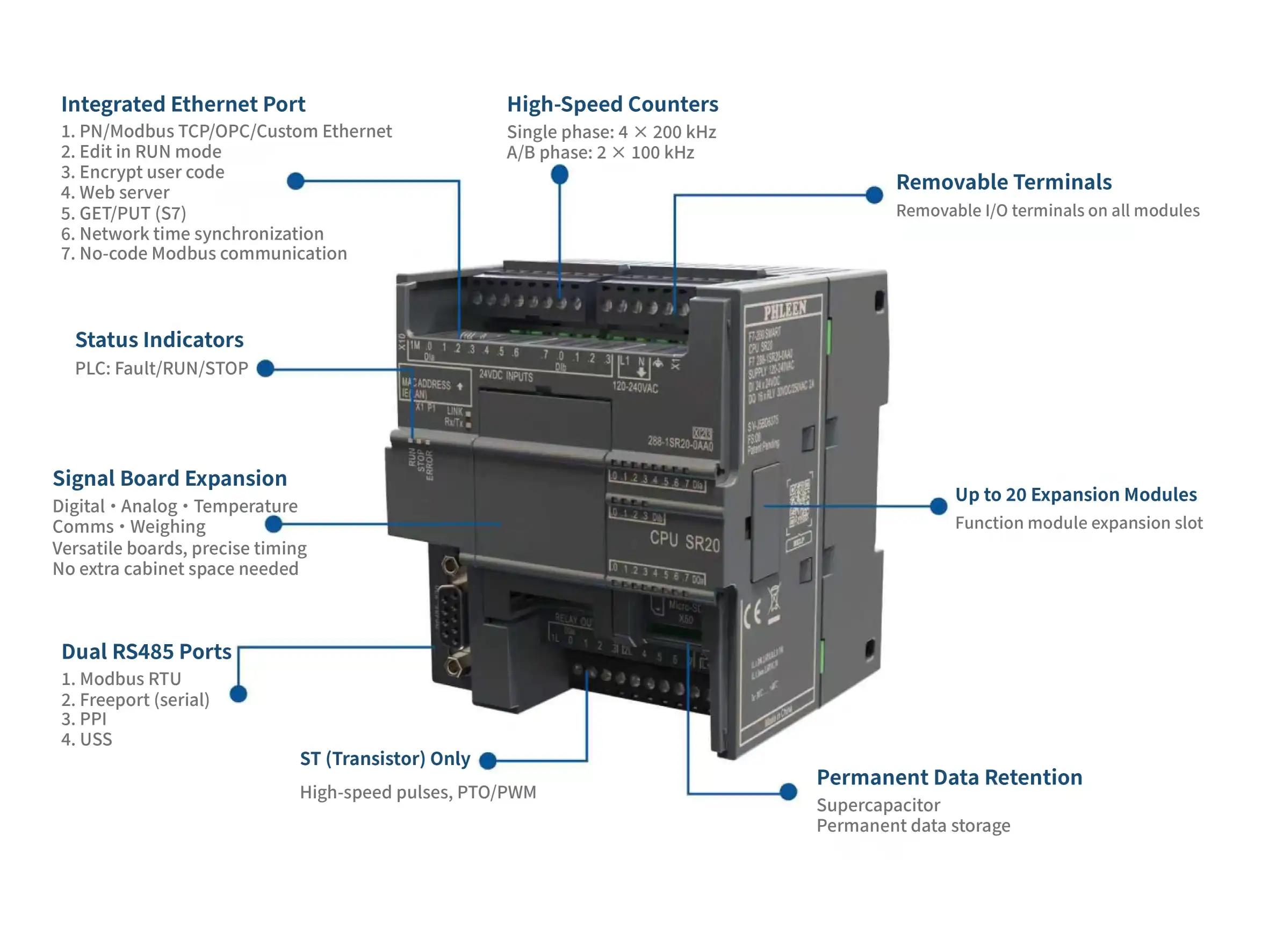
At the same time, the PHLEEN SMART PLCs provide code-free, multi-slave Modbus automatic polling communication, helping engineers reduce the workload associated with communication program development and on-site debugging while improving system stability and development efficiency.
Simplifies multi-device connectivity and reduces engineering and debugging complexity
Code-free configuration of multi-slave Modbus communication reduces development workload.
The PHLEEN 200SMART PLC supports multi-slave Modbus automatic polling. Relevant communication parameters can be configured simply by filling in fields, eliminating the need to write Modbus communication instructions. Engineers simply need to enter the appropriate parameters according to the devices’ communication requirements to configure multi-slave communication, thereby reducing the workload associated with traditional communication program development, register handling, and debugging. For HVAC projects requiring the integration of multiple devices such as variable frequency drives and smart meters, this effectively lowers the complexity of communication development and improves project implementation efficiency.
The Modbus automatic polling feature of the PHLEEN 200Smart series PLC not only supports Modbus RTU automatic polling over RS-485 but also enables Modbus TCP automatic polling over Ethernet.
The CPU supports up to 32 Ethernet connections
PHLEEN 200Smart Series CPU host features a powerful CPU processor and supports up to 32 Ethernet connections. In this project, each floor is structured as a master-subordinate or distributed network comprising 28 basic monitoring nodes, enabling seamless data acquisition and interlocked control across the floor and breaking through the 8-connection limit typical of similar PLCs.
Web-Based NTP Web Configuration
PHLEEN 200SMART PLCs support web-based configuration of the NTP Web to achieve network time synchronization, resolving the issue of system time discrepancies that can occur during PLC operation.In HVAC systems, accurate system time facilitates on-time control, operation logging, event time management, and troubleshooting, thereby simplifying subsequent system maintenance and operational management.
Conclusion
PHLEEN 200SMART PLC not only handles conventional equipment control but also simplifies the communication and integration process for multiple devices, helping engineers reduce repetitive development and complex debugging tasks. Furthermore, its familiar and compatible programming environment lowers the learning curve for engineers, making it easier for those already familiar with the platform to develop, debug, and maintain programs. thereby reducing the technical transition costs associated with projects.
For HVAC equipment manufacturers and electrical control cabinet manufacturers, PHLEEN not only provides PLC control hardware but also prioritizes communication convenience, system compatibility, and project implementation efficiency in engineering applications. In the future, PHLEEN PLC will continue to deepen its commitment to the industrial automation sector, offering stable, compatible, and flexible PLC products to provide professional automation control solutions for commercial buildings, HVAC, and other industries.